
St. Patrick’s Day in Ireland: More Than Just the Parade

When most people think of St. Patrick’s Day, they picture green beer, crowded pubs, and festive parades.
But in Ireland?
It’s something deeper.
Yes, there are parades. Yes, there’s music. And yes — there’s plenty of Guinness. But St. Patrick’s Day in Ireland is as much about culture, community, and history as it is about celebration.
If you’ve ever wondered what it’s really like to experience March 17th on Irish soil, here’s what you should know.
It’s a National Holiday — With Heart
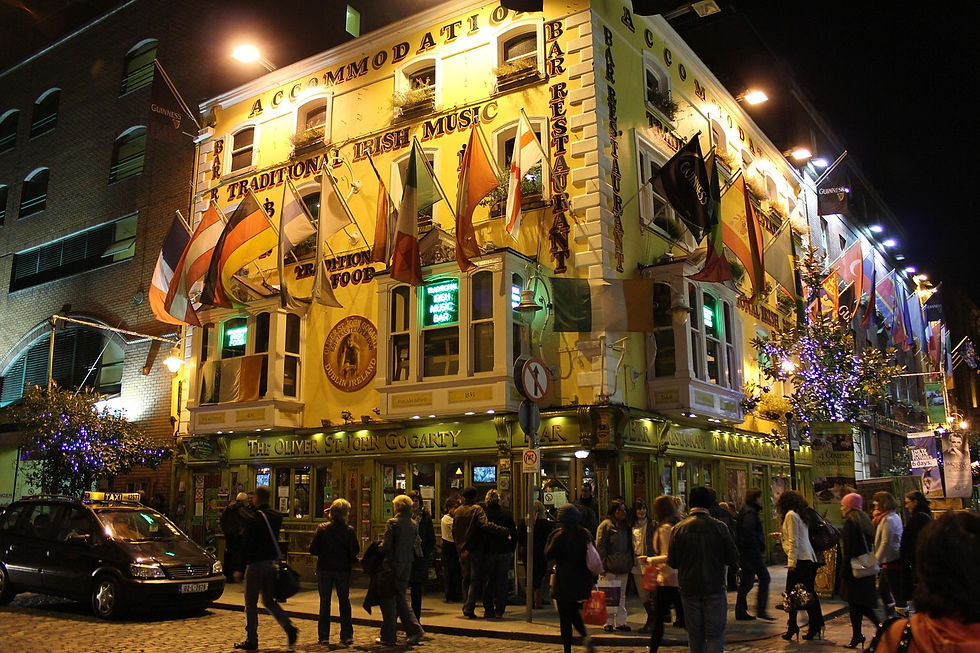
In Ireland, St. Patrick’s Day is a public holiday.
Families gather. Friends reconnect. Towns decorate their streets in green, white, and orange. But unlike the party-heavy versions abroad, there’s an undercurrent of pride here — a celebration of Irish heritage, language, music, and storytelling.
You’ll hear traditional music spilling from pub doorways, children waving flags along parade routes, and locals swapping stories over pints.
It feels joyful — but grounded.
Beyond Dublin: The Magic of Smaller Towns
While Dublin hosts the largest festival (with multi-day events leading up to March 17th), some of the most memorable celebrations happen outside the capital.

Consider:
Galway, where music and coastal charm meet
Dingle, where the parade feels like a village gathering
Kilkenny, with medieval streets and a festive spirit
In smaller towns, St. Patrick’s Day feels less like a spectacle and more like a shared experience.
And honestly? That’s where the magic often lives.
It’s Rooted in History
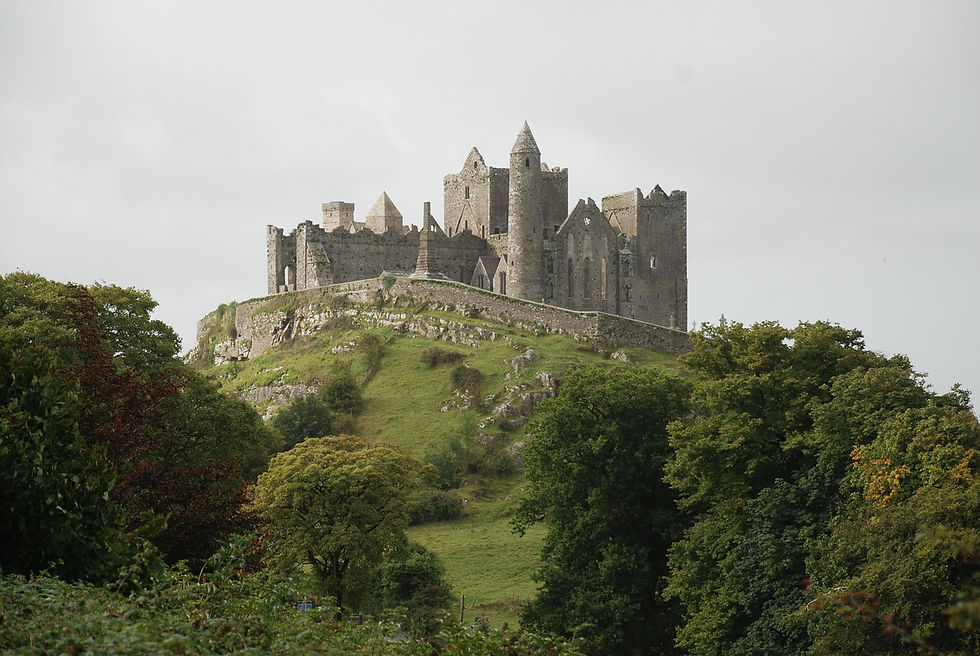
St. Patrick, Ireland’s patron saint, is credited with bringing Christianity to Ireland in the 5th century.
You can visit sites connected to his legacy, like:
Armagh, considered the ecclesiastical capital of Ireland
Rock of Cashel, tied to early Irish Christianity
Pilgrimage routes like Croagh Patrick
For many locals, the day begins with reflection — church services and moments of gratitude — before the celebrations begin.
It’s festive, yes. But it’s also meaningful.
The Pub Experience (Done Properly)
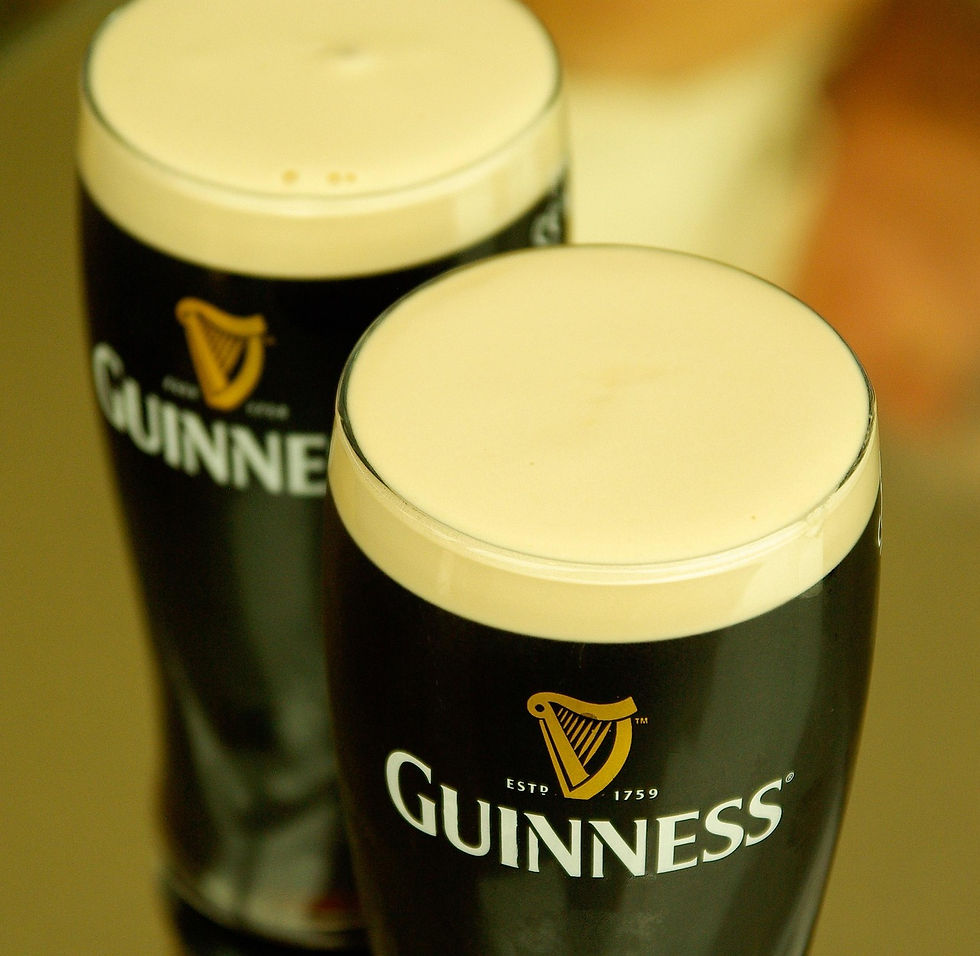
Let’s talk about the pubs — because they are part of it.
In Ireland, pubs are community hubs. On St. Patrick’s Day, they become living rooms for the entire town.
Expect:
Live traditional music (fiddles, bodhráns, flutes)
Packed but friendly atmospheres
Conversations with strangers who quickly feel like friends
A perfectly poured pint of Guinness
It’s less about rowdy excess and more about connection.
And yes — the Guinness really does taste better in Ireland.
A Realistic Note: It’s Still Ireland
March in Ireland can be:
Crisp and cool
Occasionally rainy
Unpredictable
Layered clothing is your best friend. Waterproof shoes? Even better.
But the shifting skies and soft light add to the atmosphere. Ireland rarely aims for polished perfection — and that’s part of its charm.
Why It’s Worth Experiencing At Least Once

St. Patrick’s Day in Ireland isn’t about wearing green for Instagram.
It’s about:
Music echoing through centuries-old streets
Shared laughter with locals
History woven into celebration
Pride in heritage
It feels authentic. Lived-in. Real.
And when you combine the holiday with a broader Irish itinerary — coastal drives, literary pub crawls, ancient ruins, and cozy countryside stays — it becomes more than a trip.
It becomes a memory stitched with meaning.
Final Thoughts
St. Patrick’s Day in Ireland reminds us that celebration and heritage can exist side by side.
It’s joyful without being superficial. Festive without losing its roots.
And whether you’re wandering Dublin’s streets, listening to live music in Galway, or tucked into a pub in a small village — you’ll feel something uniquely Irish:
Warmth.
If Ireland has been on your list, maybe next March is your sign.
Sláinte.


Comments